A $110 Billion Gamble: The Skydance-WBD Merger Promises a Streaming Giant, But at What Cost?
The consolidation of HBO Max and Paramount+ into a single service under the newly formed Skydance will undoubtedly reshape the streaming wars, yet it raises critical questions about consumer prices, content diversity, and the future of Hollywood's workforce.
AI-generated image
The streaming landscape, already a battleground of titans, just witnessed an earthquake of epic proportions. The recently completed $110 billion merger between Paramount and Warner Bros. Discovery has culminated in a new entertainment behemoth named Skydance, poised to bring together two of the industry's most prominent streaming services: HBO Max and Paramount+. This ambitious consolidation promises a vast library under one roof, yet it’s impossible to ignore the swirling anxieties about what this truly means for subscribers, creators, and the very fabric of Hollywood.
After months of intricate dealings and regulatory reviews across 70 countries, the deal officially closed, with Skydance immediately signaling its intent to unify HBO Max, home to iconic series like House of the Dragon, and Paramount+, which streams hits such as Yellowstone, into a single service “over time.” This move, coming just a day after the new company began trading on the NYSE, is clearly designed to create a formidable competitor capable of challenging the likes of Netflix and Disney+ with a combined arsenal of franchises and original content. But will this simply mean a more powerful platform for consumers, or will it be yet another step towards an increasingly homogenized, and expensive, streaming experience?
The Streaming Behemoth's Double-Edged Sword

On one hand, the prospect of a unified Skydance streaming service is undeniably appealing for consumers. Imagine a single destination housing everything from Harry Potter and Game of Thrones to Star Trek and Top Gun. This broad catalogue could offer unprecedented value, potentially simplifying the often-fragmented world of subscriptions. Analysts certainly point to the benefit of consumers gaining access to a much wider array of content as reported by BBC News.
However, this convenience comes with a significant caveat. Skydance has inherited a massive $80 billion debt from the merger, and executives are targeting $6 billion in annual cost savings. History, as we've seen with other streaming services, suggests that such financial pressures inevitably translate to higher subscription fees. Research director Mike Proulx of Forrester has warned that price increases are likely to come, even if a bundle option is initially offered. While the new entity might offer
No topics yet: start the first one.
More stories
Netflix's borderless catalog was always a pitch, not a promise
India's warning over a Fawad Khan–Mahira Khan series shows global streaming still answers to governments first. Platforms will keep folding, and viewers pay for it.
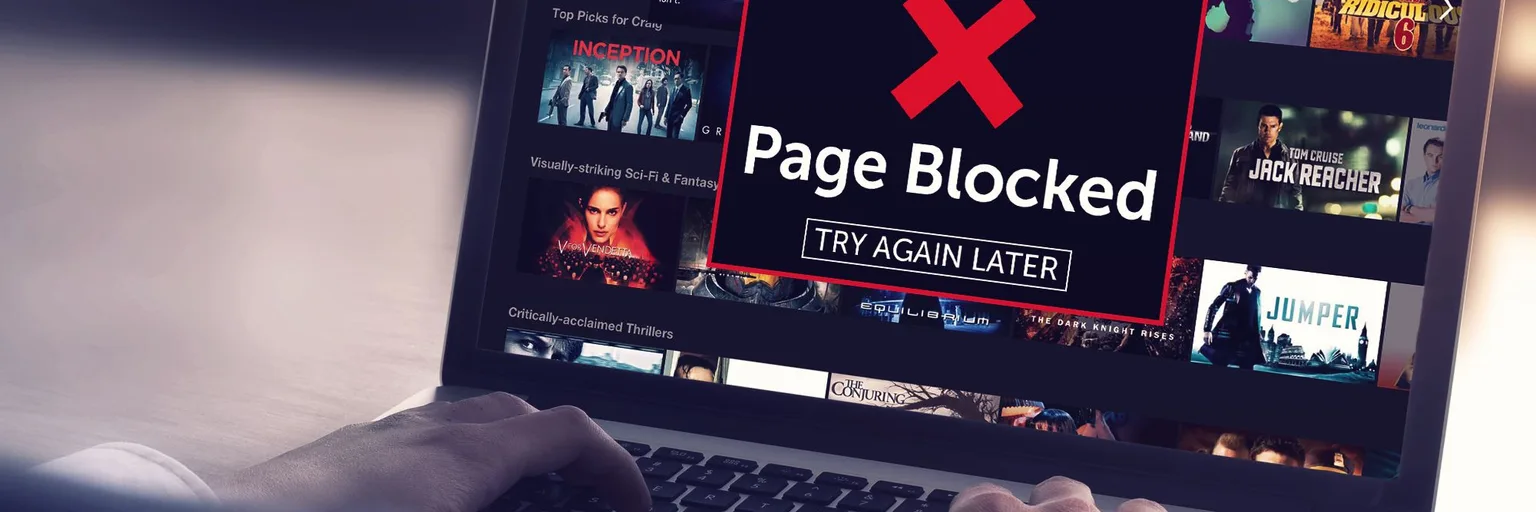
Lionsgate Play's AI lead in Eklavya is a gimmick this myth deserves better than
Casting an AI performer as the hero of a Mahābhārata story looks less like innovation and more like a budget argument in costume. Here's why we're skeptical.

Netflix's 15-minute episodes only work if they're written short
Netflix is testing quarter-hour sitcom episodes with Minimum Wage. It's a smart experiment, but only if the writing is built for the format, not just trimmed.
Netflix didn't make From a hit. It just opened the door
From has passed 5 billion minutes on Netflix after living on MGM+. That says less about Netflix's taste than about its real superpower: reach.