Moviesfera Newsroom
Ramayana's 1,000 crore week: India's epics don't need Hollywood's blessing
Ramayana: Part One reached Rs. 1,000 crore faster than any Indian film, but the numbers say more about India's home market than about a global takeover.
Ramayana: Part One reached Rs. 1,000 crore faster than any Indian film, but the numbers say more about India's home market than about a global takeover.
A projected worldwide haul under $60 million suggests the star-as-brand era has a limit: even Cruise needs an idea audiences actually want to buy a ticket for.
Na Hong-jin's Korean alien epic spends an hour on dread and a village's fear before showing its creature. Hollywood sci-fi keeps skipping that part.
Reese Witherspoon bought her company back and cut about half its staff within weeks. We think it shows that star branding alone no longer pays the bills in production.
Aaron Sorkin's frank admission about his directing after The Social Reckoning bombed is rare and admirable, and it says more about Hollywood's habits than about him.
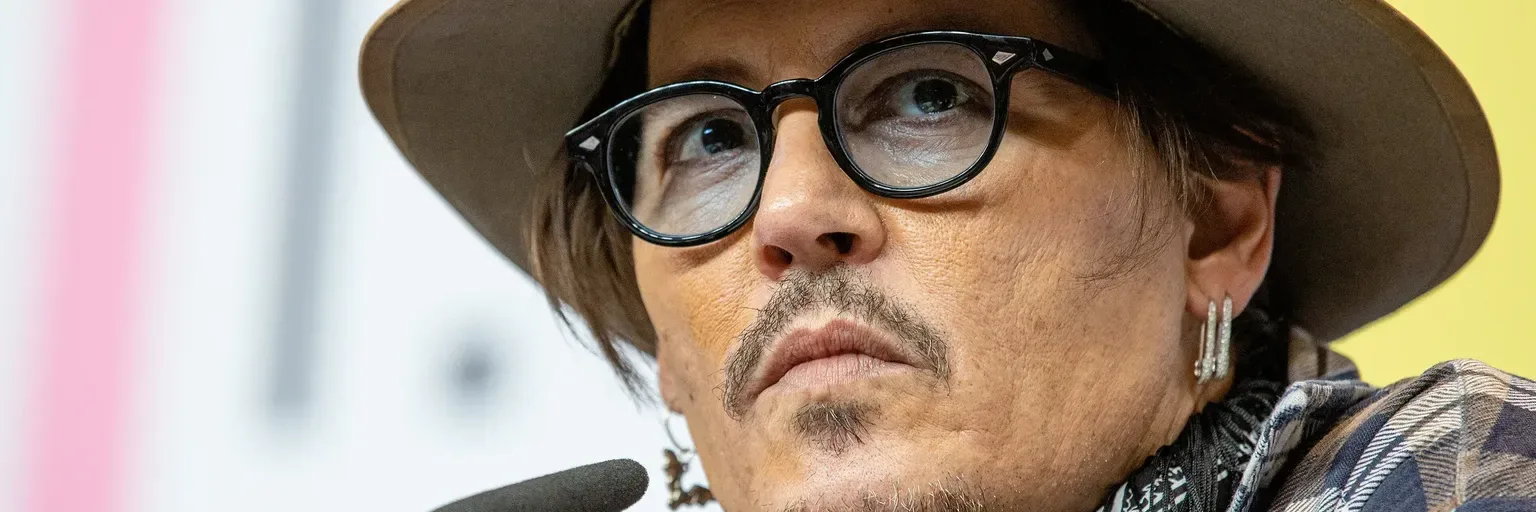
Paramount is betting that a beloved Dickens story can do what a publicist can't: tell us whether audiences want Johnny Depp back, or just the top hat and the makeup.
A film about how Rocky got made is Hollywood turning its own origin story into content. It only works if it finds a human story beyond worshipping Stallone.
A star-heavy cast for a partisan podcaster's film may say less about Ben Shapiro's pull than about how little some actors ask before signing on.
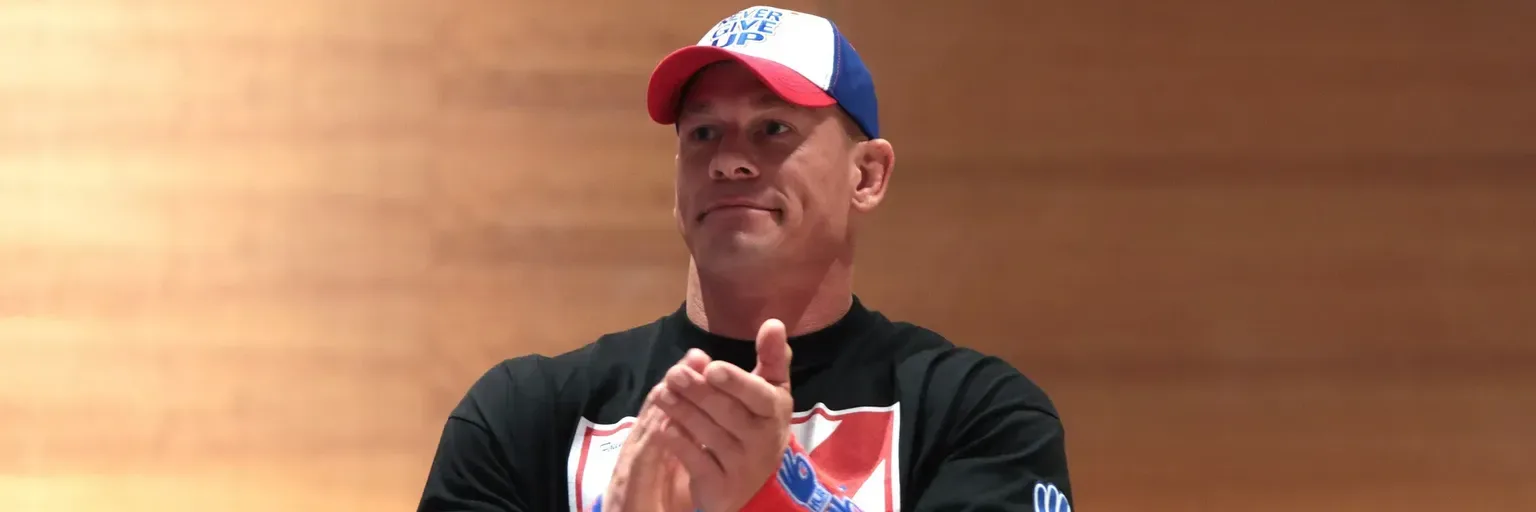
John Cena challenges Hollywood's conventional family ideals, openly detailing his well-considered decision to remain child-free, resonating deeply with a contemporary audience.
Jim Carrey's public distancing from a brutal comic book movie highlights the moral tightrope actors walk in an industry often at odds with real-world sensitivities.
Inde Navarrette's bold Schiaparelli choice at the Academy Museum Gala isn't just fashion; it's a calculated move solidifying her status as a multifaceted star poised for lasting Hollywood influence.
Nicolas Cage's refusal to sign an AI waiver for Amazon's 'Spider-Noir' is a bold stance, signaling a growing battle for control over digital likenesses and the future of human creativity in film.
Alejandro G. Iñárritu's critically acclaimed 'Birdman' not only resurrected Michael Keaton's dramatic standing but also offers a potent commentary on legacy in the ever-shifting landscape of streaming.
In an age of relentless celebrity exposure, Martin Freeman's discreet marriage to Rachel Benaissa offers a compelling counter-narrative, proving that an actor's craft can shine brightest when personal life remains truly private.
The 'The Beekeeper 2' trailer confirms Jason Statham's return, sparking the question: will the sequel evolve Adam Clay's over-the-top action or simply amplify its beloved absurdity ahead of its January 2027 debut?
The acclaimed actor's unexpected social media phenomenon, fueled by 'overtly sexual' comments, showcases a unique blend of authentic persona and relatable domesticity that resonates deeply with audiences.
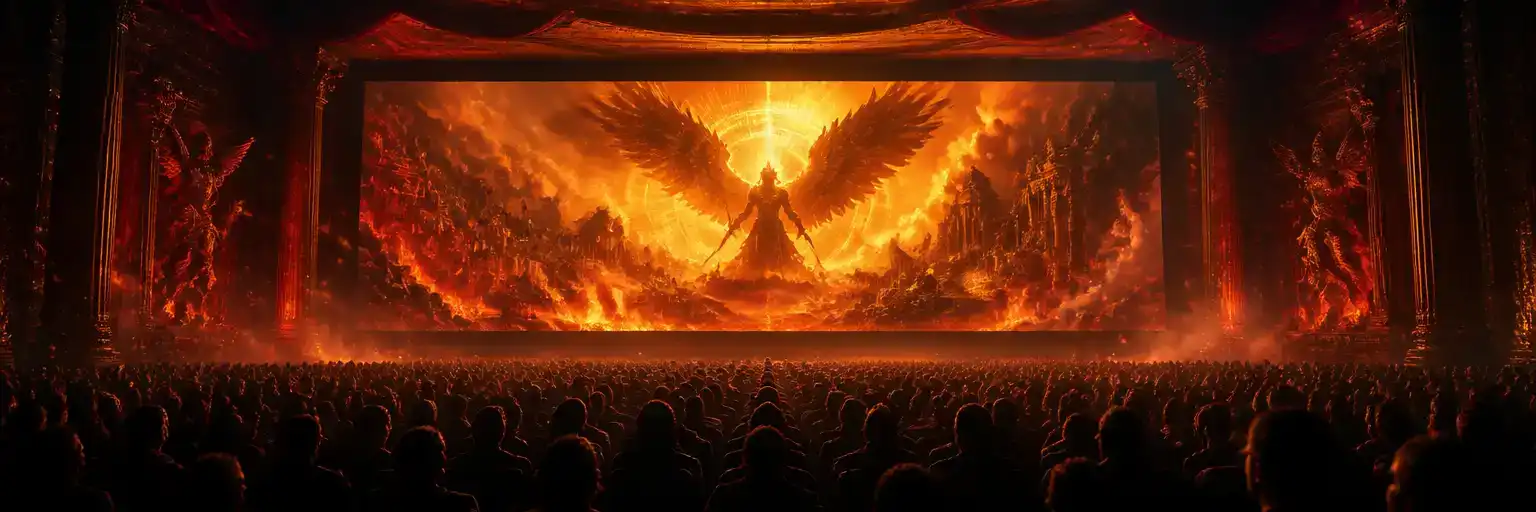
The visually ambitious trailer for 'Ramayana: Rise of a Legend' and its strategic IMAX release position this Indian epic to challenge Hollywood's hold on fantasy blockbusters.
Despite hitting record viewing hours, Netflix's significant workforce reduction points to a deeper struggle for sustainable profitability and investor trust in a maturing streaming landscape.
We argue that Hugh Jackman's strategic diversification into entrepreneurial ventures and varied film roles provides a compelling model for established actors to maintain their relevance and impact far beyond a single defining character.
The actor's candid revelations about his near-fatal autoimmune disease transcend celebrity gossip, spotlighting the hidden struggles and the desperate search for healing many chronic illness sufferers endure.
The abrupt dismissal of showrunner Gail Lerner from her own NBC sitcom just weeks before its premiere underscores the intense pressures and precarious nature of creative control in today's network television landscape.
The consolidation of HBO Max and Paramount+ into a single service under the newly formed Skydance will undoubtedly reshape the streaming wars, yet it raises critical questions about consumer prices, content diversity, and the future of Hollywood's workforce.
Decades after its debut, the enduring appeal of the 'Back to the Future' trilogy on TV proves that truly great science fiction narratives transcend generations, continually sparking wonder and discussion.
Early projections for the new Street Fighter film suggest it might struggle to break free from the infamous video game adaptation curse, raising doubts about Hollywood's ability to truly translate gaming success to the big screen.
The Magic Kingdom's surprising decision to license its once-exclusive content to Netflix suggests a shrewd pivot towards profitability and broader audience reach, redefining the streaming battleground.
The dramatic visual overhaul of Johnny Depp for his role in 'Day Drinker' showcases how compelling character transformations remain a potent force in capturing audience attention and fueling anticipation.
Tom Cruise's 'Digger' opening weekend serves as a stark warning: even Hollywood's most bankable stars now struggle to draw audiences without an established franchise behind them.