Disney's Streaming Reversal: Retreat or a New Empire?
The Magic Kingdom's surprising decision to license its once-exclusive content to Netflix suggests a shrewd pivot towards profitability and broader audience reach, redefining the streaming battleground.
Photo: Vladimka production / Shutterstock.com
Are the streaming wars truly over, or are we witnessing the beginning of a new, even more complex phase? Just days ago, on October 2, 2026, news broke that Disney, the architect of an aggressive content-hoarding strategy, is now licensing a wide array of content to Netflix. This isn't merely a minor agreement; it's a profound strategic reversal that shakes the very foundations of the streaming landscape, pushing us to ask whether this is a tactical retreat or a calculated move to secure a new kind of dominance.
For years, Disney's mission was clear: pull all content from third-party platforms to build its own formidable streaming empire, Disney+. This approach was seen as a declaration of war, a direct challenge to Netflix's long-held supremacy. The goal was exclusive content, driving subscriber growth at all costs. Now, as this Disney content lands on Netflix, alongside other Disney productions, the narrative has undeniably shifted. This move suggests that the initial all-out content war has become unsustainable, giving way to an era of strategic alliances and a renewed focus on the bottom line.
The Demise of Exclusivity for Exclusivity's Sake
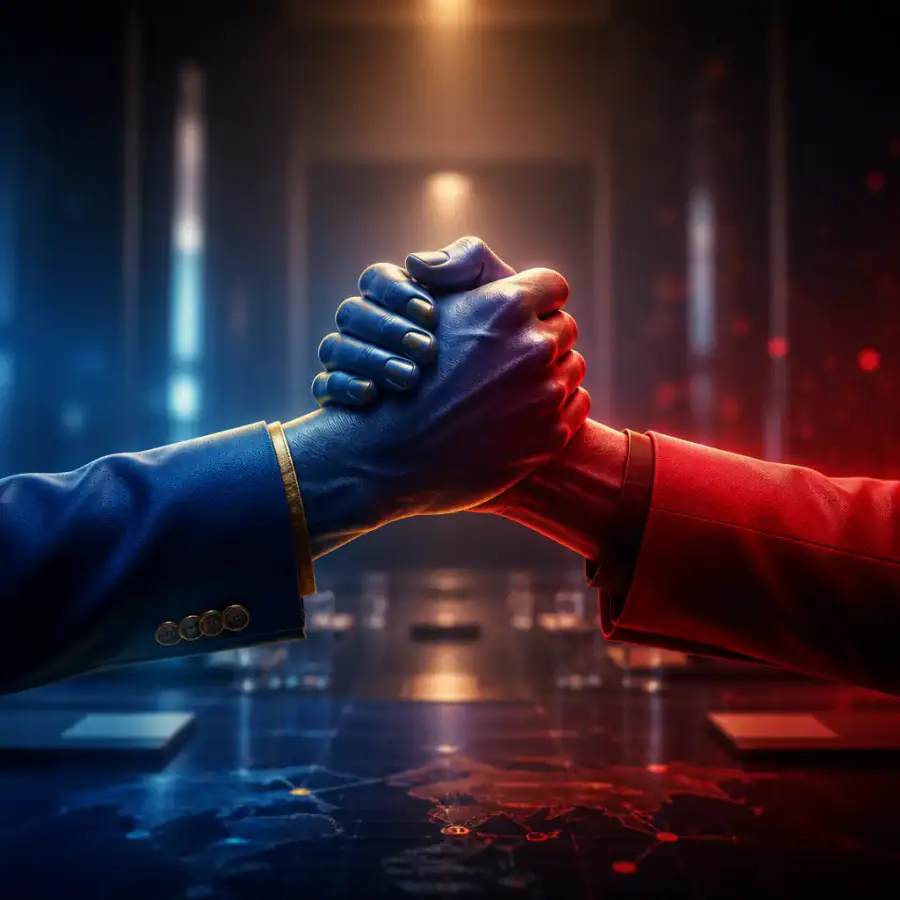
The initial phase of the streaming wars was defined by a frantic land grab for exclusive content. Every major studio believed that owning and housing their intellectual property behind their own paywall was the only path to victory. Disney, with its unparalleled roster of Star Wars, Marvel, and Pixar films, was perfectly positioned to execute this strategy. For a time, it seemed poised to even overtake Netflix in subscriber numbers, leveraging its deep content library. However, as the market matures, the economics of this model are clearly evolving. We are now entering what some predict will be the "chaos era" for streaming, where past strategies are being re-evaluated for profitability.
Streaming services, under pressure from Wall Street, are now prioritizing profitability over subscriber numbers. This shift makes content licensing a far more attractive option when
No topics yet: start the first one.
More stories
Streaming's Great Reset: Why Fewer Originals and More TV Alliances Signal Maturity
The relentless content arms race is giving way to strategic partnerships and a focus on established hits, as streaming platforms enter a phase of sustainable, mature growth.

ZDF Studios' Quiet Reign: Why Consistency Outperforms Netflix's Blockbuster Gamble
The German distributor's enduring 'SOKO' formula and smart syndication strategy offer a more sustainable blueprint for success than Netflix's high-stakes pursuit of fleeting original hits.

Netflix is all-in on thrillers: Is high-stakes drama the new path to streaming dominance?
With upcoming releases like 'Heartland' and 'El crimen de Pazos,' Netflix reinforces its strategy to captivate audiences with psychological thrillers and true crime, prioritizing immediate engagement over traditional critical acclaim.

A $110 Billion Gamble: The Skydance-WBD Merger Promises a Streaming Giant, But at What Cost?
The consolidation of HBO Max and Paramount+ into a single service under the newly formed Skydance will undoubtedly reshape the streaming wars, yet it raises critical questions about consumer prices, content diversity, and the future of Hollywood's workforce.