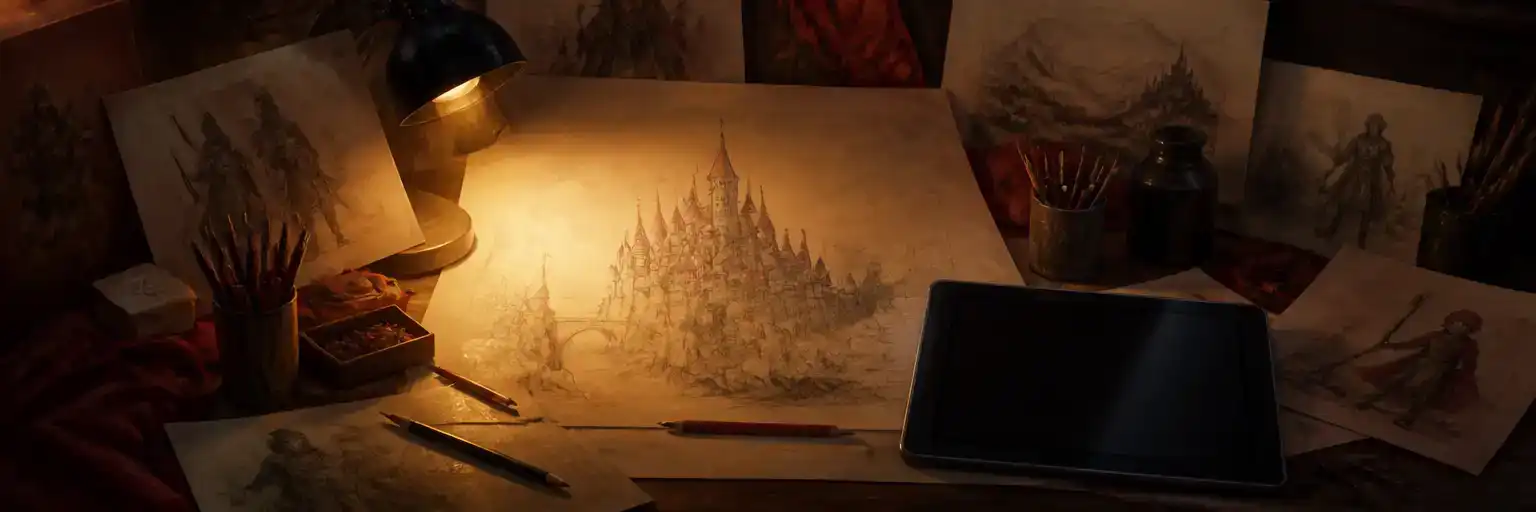
Disney's Adobe AI pact is smart, but "artist-led" needs proof
Private models trained on Disney's own IP are a safer bet than a frontier-lab romance. But speed and control only earn trust if Disney says where AI touches the art.
Photo: Davric / Wikimedia Commons (CC BY-SA 4.0)
What is a Disney film actually made of: a drawing, a pipeline, or a model that has learned both? The question got sharper this week, when Disney named Adobe its "Official AI Innovation Partner."
The multi-year alliance was unveiled at Adobe MAX in Miami. As Businessworld reports, it will use Adobe's Firefly Foundry to build proprietary models trained on Disney's intellectual property. Those models will stay private to Disney. The first deployments focus on the parks division and on StudioLAB, the Walt Disney Studios innovation hub, with ESPN exploring archive and fan-engagement tools. Financial terms were not disclosed.
Imagineering already uses a sketch-to-image model that turns hand-drawn concepts into rendered concept art. Disney's Kyle Laughlin said the tools compress work that "would have taken months" into "hours and days." He also said they are "in no way meant to replace" roles at Imagineering.
Choosing Adobe over a frontier lab is a bet on control, and a sensible one
Look at who Disney didn't pick. According to Creative Bloq, a previous deal with OpenAI collapsed after the ChatGPT maker pulled the plug on its Sora video model just three months in. Against that backdrop, a private model that never hands Disney's characters to an outside foundation-model provider looks less like a downgrade and more like a lesson learned.
We think this is the right instinct. A studio whose value rests so heavily on its characters and a recognizable visual language should not be feeding them into somebody else's general-purpose system. Adobe, for its part, gets a reference customer it could hardly have dreamed up. Creative Bloq notes it could become a template for other entertainment companies.
It's also worth noting what the deal is not. The reporting describes internal pipelines and concept exploration, not finished content. That distinction matters, and we'd like Disney to keep it visible.
"Artist-led" is a promise, not a safeguard
Here is where the enthusiasm cools. The companies say the models will be "artist-led" and will protect creators and their work. Fine words. But Creative Bloq points out that Disney has already carried out several waves of layoffs in 2026 under CEO Josh D'Amaro, with a larger wave planned that targets up to 20% in annual cost savings, and that one batch included Pixar artists in July.
Put those facts next to a tool that lets fewer people iterate faster, and suspicion is the natural reaction. We aren't claiming the deal causes job losses; nothing in the reporting says that. But "faster" in a company under cost pressure has an obvious reading, and reassurance from an executive in an interview is not a policy.
There's also an uncomfortable aesthetic question. A model trained on Disney's own archive learns Disney's past. It is superb at on-brand and probably biased toward more of the same. Concept art is where studios take risks, so leaning on a machine trained on yesterday's house style could narrow what gets explored. That is our opinion, not a finding, but it is the cost nobody is putting on a slide.
Disney can defuse the suspicion cheaply: show where the machine stops
The fix is transparency. Say which stages of a film's development use these models. Say whether artists' own work trained them, and whether credits and consultation exist. Say that finished frames in theaters and on Disney+ are drawn by people, if that's true, or say plainly where it isn't.
Our verdict: the partnership is a smart, defensive piece of corporate strategy and a better answer than chasing frontier labs. But trust won't come from the phrase "responsibly developed AI." It will come from Disney telling audiences, and its own artists, exactly where the machine stops and the craft begins. Until then, the deal deserves cautious applause and a long list of questions.
No topics yet: start the first one.
More stories
Adam Driver's "criminal" is right: Lucasfilm shelved its best bet
Driver's blunt verdict on The Hunt for Ben Solo exposes a studio that said no to Soderbergh and a beloved character, and has yet to show a clear plan for Star Wars films.
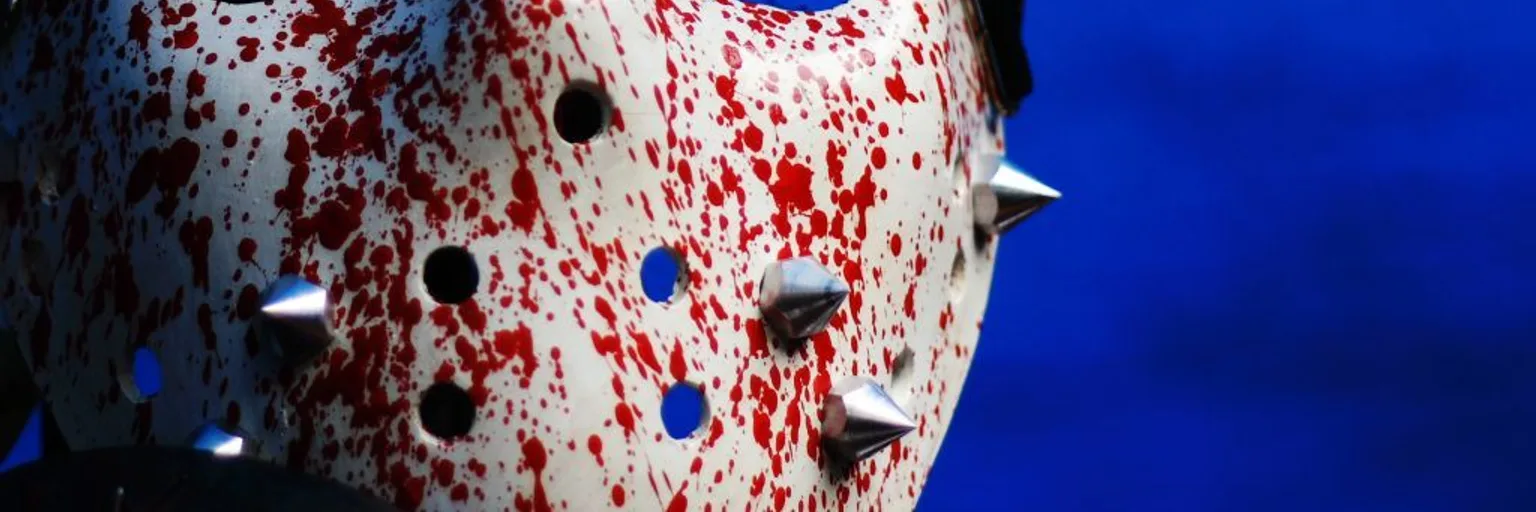
Friday the 13th needs more than Jason's mask to justify a 2027 return
Steve Miner is back, Jason returns to theaters after 18 years, and a prequel series is in the works. The new film is welcome only if it offers more than nostalgia.
DC's Constantine bet is smart, as long as it forgets Keanu
A Constantine movie written by Evil Dead Wrath's Francis Galluppi suggests DC is ready for real horror. It only works if the studio picks a tone and skips the nostalgia detour.
Disney's hand-drawn return is a smart bet, but one film isn't a revival
Disney is bringing 2D back for a new film, and it's more than nostalgia: a distinct look beats the CGI house style. But the studio has to prove it can do it again.