Klara and the Sun's international cancellation says more about studios than Ortega
Sony pulling the film's international release doesn't prove stars and prestige novels stopped selling. We think it shows studios don't know what to do with mid-budget adaptations.
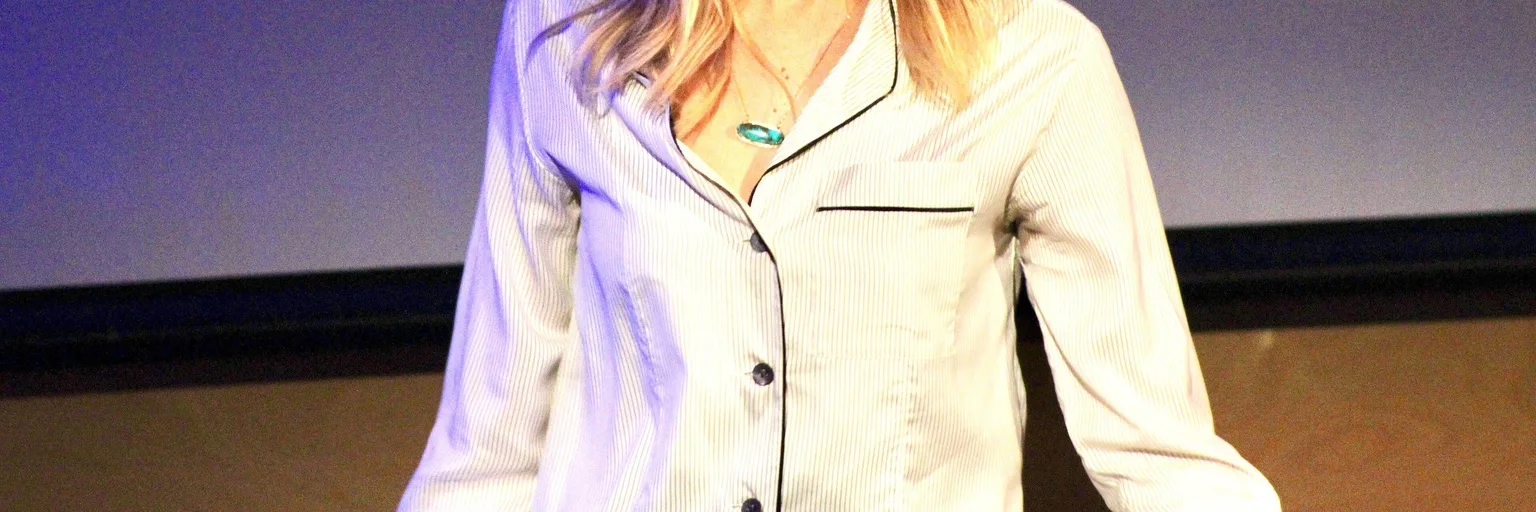
Photo: Margaret Gardiner / Wikimedia Commons (CC BY 3.0)
Can a young star, a celebrated novel and the director of Jojo Rabbit still add up to a movie anyone will release? Sony's answer, at least for Klara and the Sun, appears to be a shrug.
Two bad numbers and one cancelled release
Taika Waititi's adaptation of Kazuo Ishiguro's novel stars Jenna Ortega as Klara, an artificial intelligence built to keep children company, with Amy Adams and Steve Buscemi in the cast, as Omelete describes it. It opened in the US on October 23, 2026, and Brazilian outlet Gazeta Culturismo reports a first weekend of roughly $725,000. Another outlet, Estação Nerd, puts the debut at $770,000 against a $25 million production cost. Since the figures differ, treat both as approximate.
The fallout: Collider reports that Sony has cancelled the global theatrical release after poor reviews and weak box office. Other outlets focus on Spain. Screen Rant, citing Spanish site Hobby Consolas, says the Spanish release was scrapped because of largely negative reviews and very low commercial expectations, with the studio reportedly hoping to "minimize losses." So the exact scope of the cancellation varies by report.
The star didn't fail; the plan did
The easy headline is "Ortega can't open a movie." We think that's lazy. One opening weekend of under a million dollars tells you less about a performer's pull than about how a film was positioned, how many screens it got and how much anyone believed in it. We don't have the theater count or marketing spend in the documentation, so we can't say precisely what went wrong. But a debut that small often points to a release the studio had already given up on.
Notice the order of events, too. Poor reviews and a tiny US debut came first, and the international cancellation followed. That looks like a studio cutting losses, not one discovering that Gen Z doesn't care about literary fiction.
Prestige source material is a risk, not a shield
Ishiguro's novel is, in our reading, the kind of quiet, melancholic science fiction that critics revere and marketing departments dread. "Prestige" gets a film attention at festivals and in awards conversations. It doesn't automatically give a poster a hook that a casual viewer can grasp in five seconds.
Pairing it with Waititi, whose best-known credit in our sources is Jojo Rabbit, was an intriguing bet. But intriguing bets need a distributor willing to nurture them. A $25 million budget is the awkward middle: too expensive to be a cheap indie shrug, too small to justify a global tentpole campaign. In our view, that middle is where studios are least patient right now.
Mid-budget adaptations are being orphaned
This is the real story. If a film like this stumbles, the reflex seems to be to pull it from territories rather than adjust the release. That makes the failure self-fulfilling: fewer markets, less word of mouth, less chance of a second life. Skipping Spain's theaters entirely, as reported, closes the door before audiences there can say anything.
There's an obvious counter-argument: the reviews were reportedly poor, and not every cancelled release deserves a rescue. Fair. Some adaptations simply don't work, and sometimes a studio is right to stop spending. We'd also note that reception claims here come from secondary outlets, not a review aggregator, so we won't pretend to know how bad the film truly is.
But even a flawed movie deserves a better exit than this. Streaming or a delayed, smaller rollout would at least let curious viewers judge it. Whether Sony does that is unknown; nothing in our documentation says so.
Blame the release plan, and judge the film yourself
Klara and the Sun is not a verdict on Jenna Ortega, and not really a verdict on literary adaptations either. We read it as a verdict on a system that greenlights risky, thoughtful mid-budget films and then abandons them at the first bad number. If you're curious about the film, watch for wherever it lands next rather than assuming it's unwatchable. And if studios want more adaptations like it, they'll have to learn to release them, not just make them.
No topics yet: start the first one.
More stories
Dropping David Walliams is easy. Doing it fairly is the real test
A film has reportedly cut David Walliams over misconduct allegations. Removal isn't accountability, and the industry still owes us a process, not a reflex.
Patrick Stewart's last Xavier deserves restraint, not a posthumous marketing blitz
With Avengers: Doomsday less than two months away, Marvel faces a test: honor Patrick Stewart's Professor X with care, or turn his death into a trailer hook.
Wildwood is the best answer to AI shortcuts: sell the hands
Laika's stop-motion epic took five years and thousands of physical pieces. Studios should stop hiding that labor and start putting it at the center of the pitch.
Katniss returns, but a cameo can't carry a Hunger Games revival
Jennifer Lawrence's brief comeback in Sunrise on the Reaping can add real emotional weight, but only if it earns its place in the story rather than just selling tickets.