Netflix's 'Lonesome Dove' Gamble: A Genre Power Play, Not Just a Remake
With 'East of Eden' showrunners Zoe Kazan and Jeb Stuart adapting the acclaimed 'Lonesome Dove,' Netflix is leveraging literary weight and critical darlings to dominate the Western genre and attract diverse audiences.
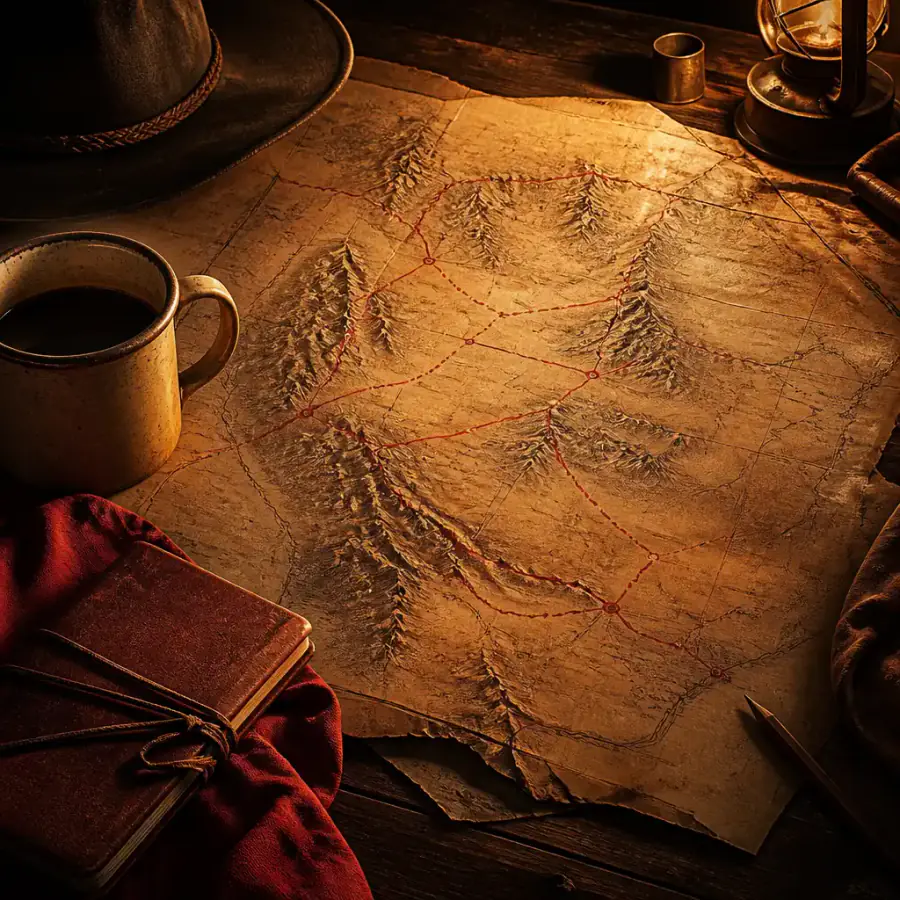
AI-generated image
In an era saturated with reboots and remakes, what truly distinguishes a streaming giant's strategic gambit from mere nostalgia-bait? Netflix's decision to adapt Larry McMurtry's Pulitzer Prize-winning novel, Lonesome Dove, with the acclaimed duo Zoe Kazan and Jeb Stuart at the helm, looks less like a simple revisit to a classic and more like a calculated power play for genre supremacy. When even figures as influential as Taylor Sheridan and Stephen King praise the original material, it signals a commitment to quality that transcends typical reboot cynicism.
The buzz around Netflix's new Lonesome Dove adaptation is palpable, not least because it follows closely on the heels of another literary triumph for the streamer: East of Eden. That seven-episode series, also steered by Kazan and Stuart, premiered on October 1, 2026, and has swiftly climbed to become the number one series globally on Netflix, garnering an 88% critics' score with a Certified Fresh label on Rotten Tomatoes. This success has paved the way for the duo's next monumental task: bringing McMurtry's iconic tale of two retired Texas Rangers embarking on a final, perilous cattle drive to a new generation.
The Unassailable Foundation of Literary Pedigree
Choosing Lonesome Dove is hardly a shot in the dark for Netflix; it is a masterstroke in leveraging proven, revered source material. Larry McMurtry's 1985 novel is not just a bestseller; it earned the Pulitzer Prize for Fiction, solidifying its place in the American literary canon. The 1989 CBS miniseries adaptation, starring Robert Duvall and Tommy Lee Jones, became a landmark event in television history, widely credited with revitalizing the Western genre. It boasts a near-perfect 98% critical approval rating on Rotten Tomatoes, and its profound impact is evident in the fervent praise from contemporary giants. Taylor Sheridan, the architect behind the hugely successful Yellowstone universe, has reportedly called the original Lonesome Dove miniseries his "all-time favorite Western," a sentiment also shared by horror master Stephen King, who is noted as a fan, according to MovieWeb. This level of endorsement from figures deeply respected within the industry provides an almost unassailable seal of quality, assuring audiences and critics alike that this is not just any Western remake, but one with significant cultural weight.
The Kazan-Stuart Midas Touch
The success of East of Eden gives Netflix a formidable creative team in Zoe Kazan and Jeb Stuart. Their ability to translate a complex, multi-generational literary classic into a critically acclaimed series, which has captured global viewership, demonstrates a rare blend of respect for the source material and an innovative approach to adaptation. Kazan, whose grandfather Elia Kazan directed the 1955 film version of East of Eden, brought a deeply personal connection to John Steinbeck's novel, ensuring a nuanced and rich adaptation. As Jinny Howe, Netflix’s head of scripted series for the U.S. and Canada, stated, "After East of Eden, we know exactly what they’re capable of — the depth of character, the sweep of place, the emotional precision. This material deserves that level of care." This vote of confidence suggests that Netflix sees the duo not just as showrunners, but as guardians of literary integrity, capable of delivering prestige dramas that resonate widely. Their proven track record with Florence Pugh's captivating performance in East of Eden underscores their talent for attracting and directing top-tier talent, which will be crucial for the ensemble cast of Lonesome Dove.
Riding the Resurgent Western Wave
Netflix's commitment to Lonesome Dove also signals a clear strategy to dominate the booming Western genre. While Paramount+ has carved out its niche with the Yellowstone universe, Netflix appears to be making its own assertive moves. Beyond Lonesome Dove, the streamer has previously seen success with other Western-themed content and is developing other genre projects like the Little House on the Prairie reboot. Leveraging the rights to all four novels in McMurtry’s series—including Streets of Laredo, Dead Man’s Walk, and Comanche Moon—held by Teton Ridge Entertainment, with whom Netflix is partnering, the streamer isn't merely testing the waters; it's investing heavily in building its own Western dynasty. This comprehensive approach ensures a continuous pipeline of high-quality, narrative-rich Westerns, positioning Netflix as a formidable player in a genre that continues to captivate audiences with its themes of frontier justice, adventure, and the human spirit against untamed landscapes.
In our view, Netflix’s Lonesome Dove is far more than just another remake. It represents a sophisticated gambit to marry literary prestige with critical talent, capitalizing on a resurgent genre. With the proven success of Kazan and Stuart and the enduring appeal of McMurtry's classic, Netflix is not just making a series; it's staking its claim as a premier destination for epic, character-driven Western storytelling, a move that will likely pay significant dividends for years to come.
No topics yet: start the first one.
More stories
3 Body Problem's long wait is Netflix's own doing, and it's a risk
Season 2 lands January 14, 2027, nearly three years after the premiere. Netflix's prestige sci-fi gamble now depends on whether viewers still care.

The Body doesn't need saving: the outrage cycle is the real show
A petition with 90,000-plus signatures wants Netflix to cancel a chart-topping teen horror series. We think the platform should ignore the noise and let the show breathe.
Planeswalker must win over people who never opened a booster pack
After seven years of false starts, Netflix's Magic: The Gathering series has a name, a hero and a look. Whether it has a story for outsiders is another matter.
Emily in Paris says goodbye, but will Emily ever change?
A Greek-set final season arriving at Christmas makes for a pretty farewell, but the real test is whether Emily grows up instead of just collecting new postcards.