Moviesfera Newsroom
Netflix's theater turn is a confession, not a strategy
A broad theatrical release for the KPop Demon Hunters sequel, expected in 2029, suggests Netflix has a hit problem, and cinemas are the patch it can no longer refuse.
A broad theatrical release for the KPop Demon Hunters sequel, expected in 2029, suggests Netflix has a hit problem, and cinemas are the patch it can no longer refuse.
A film about how Rocky got made is Hollywood turning its own origin story into content. It only works if it finds a human story beyond worshipping Stallone.
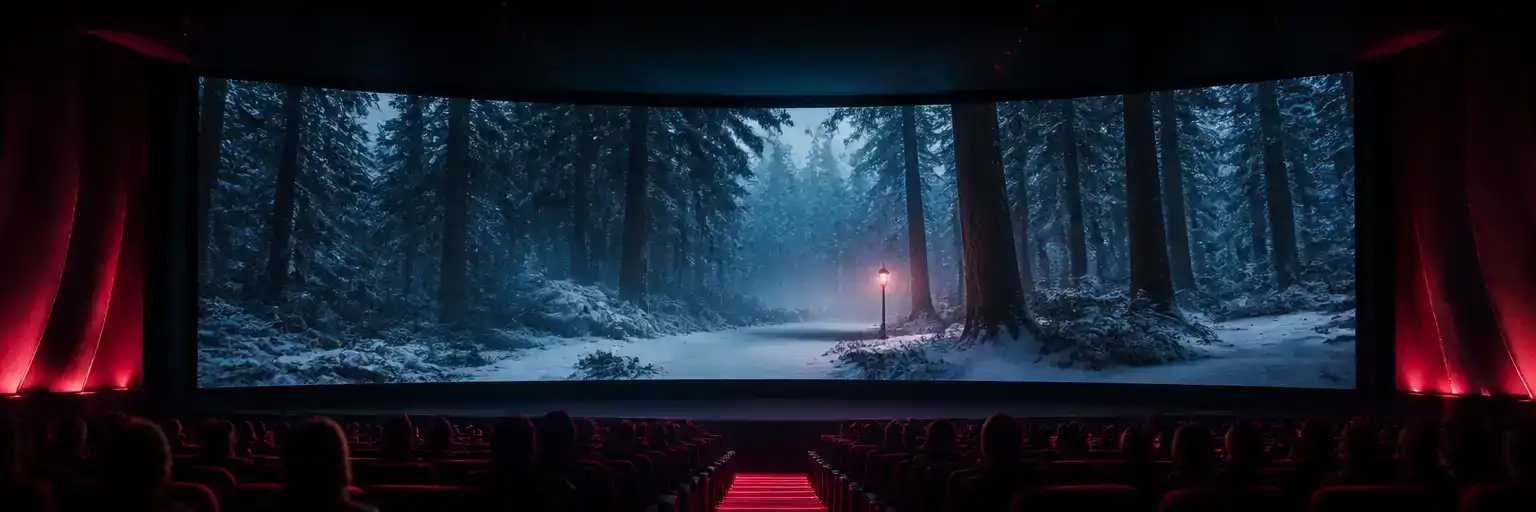
A record first week for the Narnia trailer shows Netflix is great at manufacturing anticipation. Turning it into theater seats and subscribers is a much harder trick.
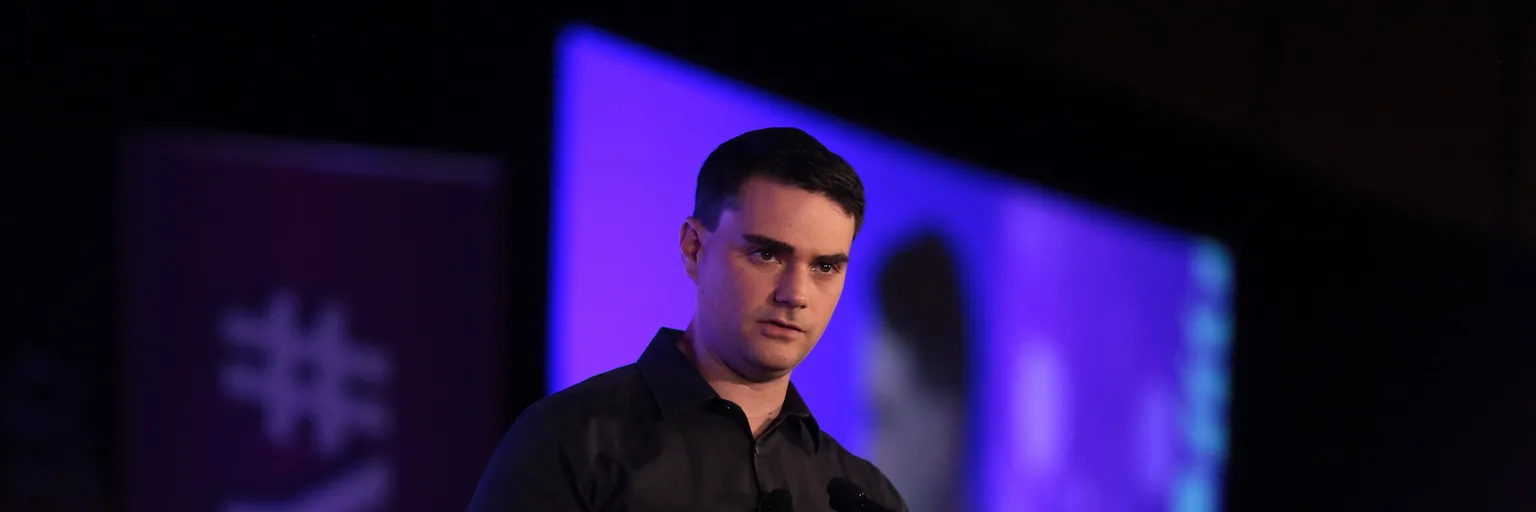
A star-heavy cast for a partisan podcaster's film may say less about Ben Shapiro's pull than about how little some actors ask before signing on.
With Pedro Pascal out of the picture and Bella Ramsey as "the general" on set, season 3 only works if HBO fully embraces the shifting perspectives of its ensemble.
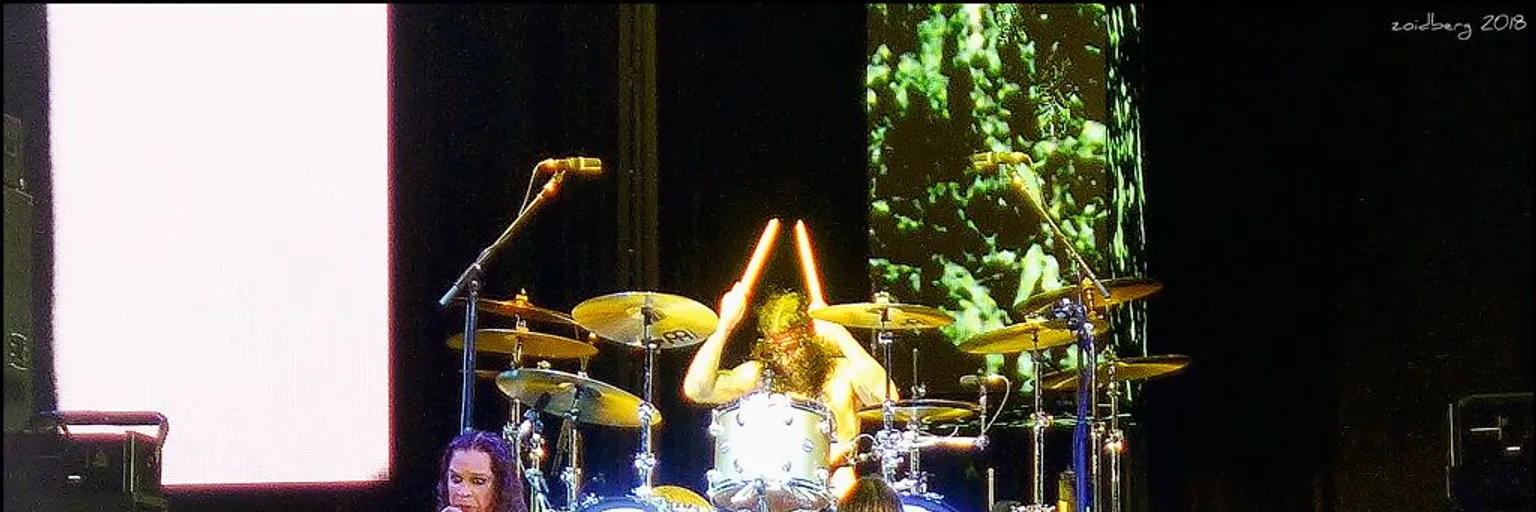
Back to the Beginning turns a farewell concert into scarce theatrical currency, betting that fandom and communal sound can beat the pull of the streaming archive.
J.K. Rowling’s renewed trans debate turns the next Harry Potter adaptation into an uncomfortable test of whether Hollywood can separate a franchise from its creator.
A satirical award for Batman v Superman became, in Eisenberg’s telling, a career warning label—and proof that studios still punish actors for blockbuster decisions.
Florian Zeller’s new thriller has the stars and the premise, but its real test is whether marital claustrophobia can carry a story built for the apocalypse.
The talent show’s real product is not a future star but a shared moment: judges, switches and audience votes turning uncertainty into appointment television.
A three-day 4K return turns The Matrix into a test of whether catalog films can still become appointment cinema instead of merely filling empty screens.
Weekly scheduling is plainly a retention tactic, but it also gives strong series room to breathe, travel by word of mouth and survive beyond launch week.
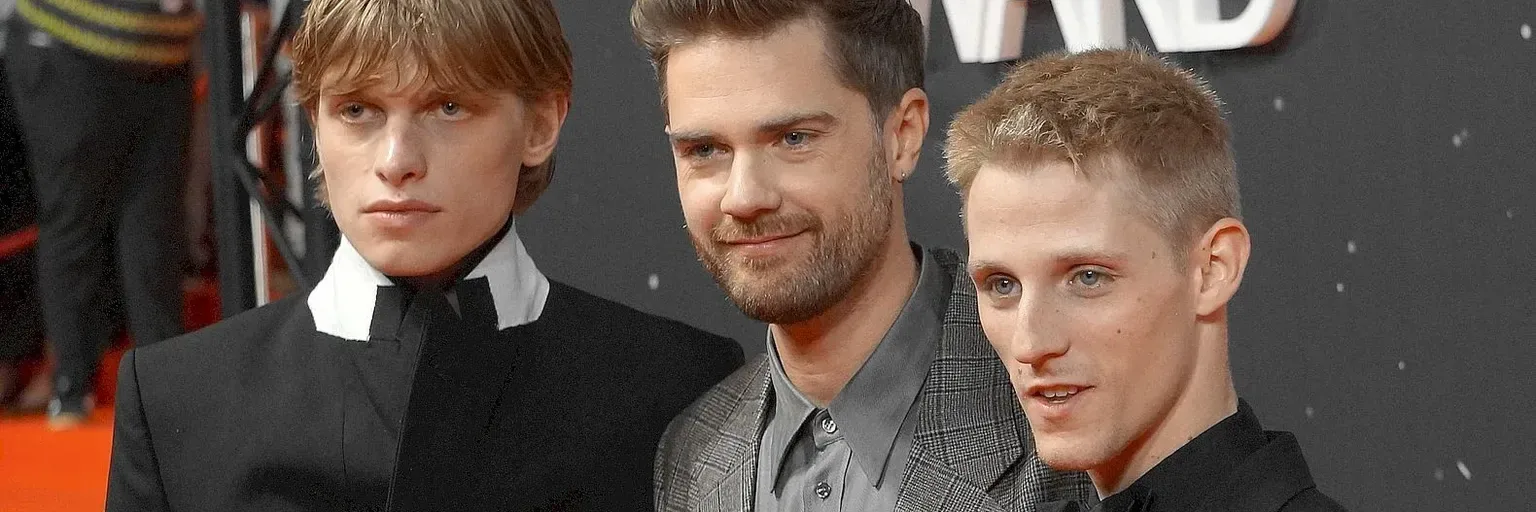
Lukas Dhont’s Cannes-recognized war drama makes the case for a streaming home built around artistic risk, not franchise familiarity or algorithmic comfort.
Crunchyroll’s crowded fall slate reveals a smarter streaming strategy: win anime fans through weekly rituals, exclusivity and momentum—not just a bigger library.
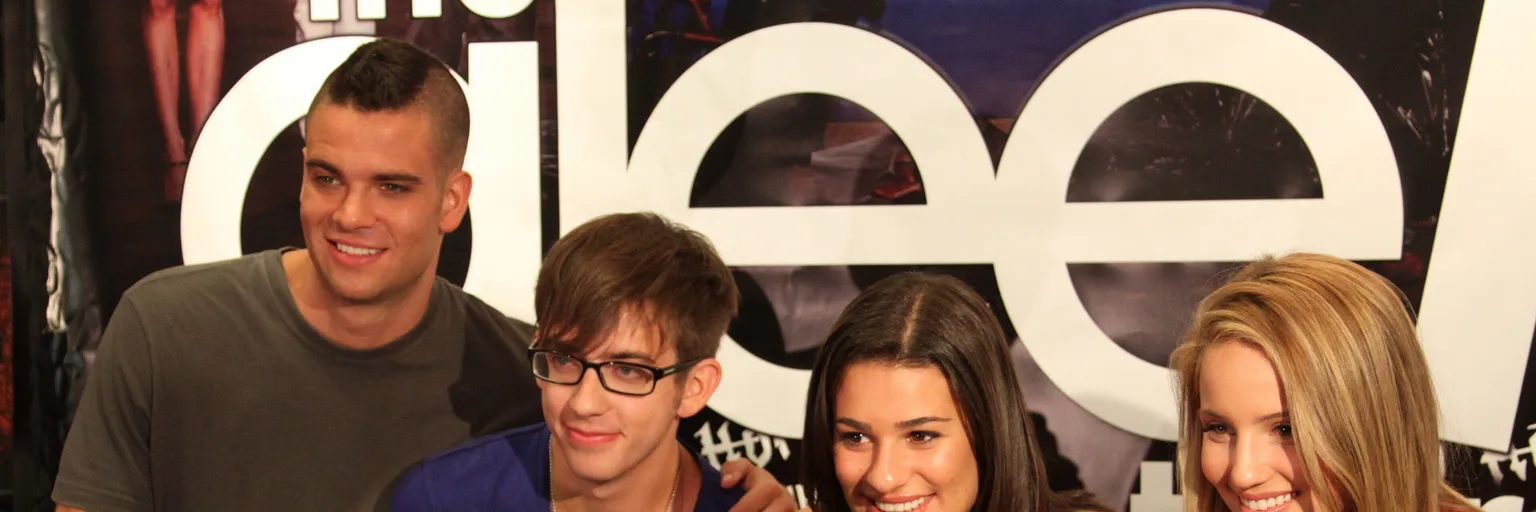
The Glee revival is a powerful nostalgia play, but its real challenge is deciding whether to repeat the formula or rewrite what the formula meant.
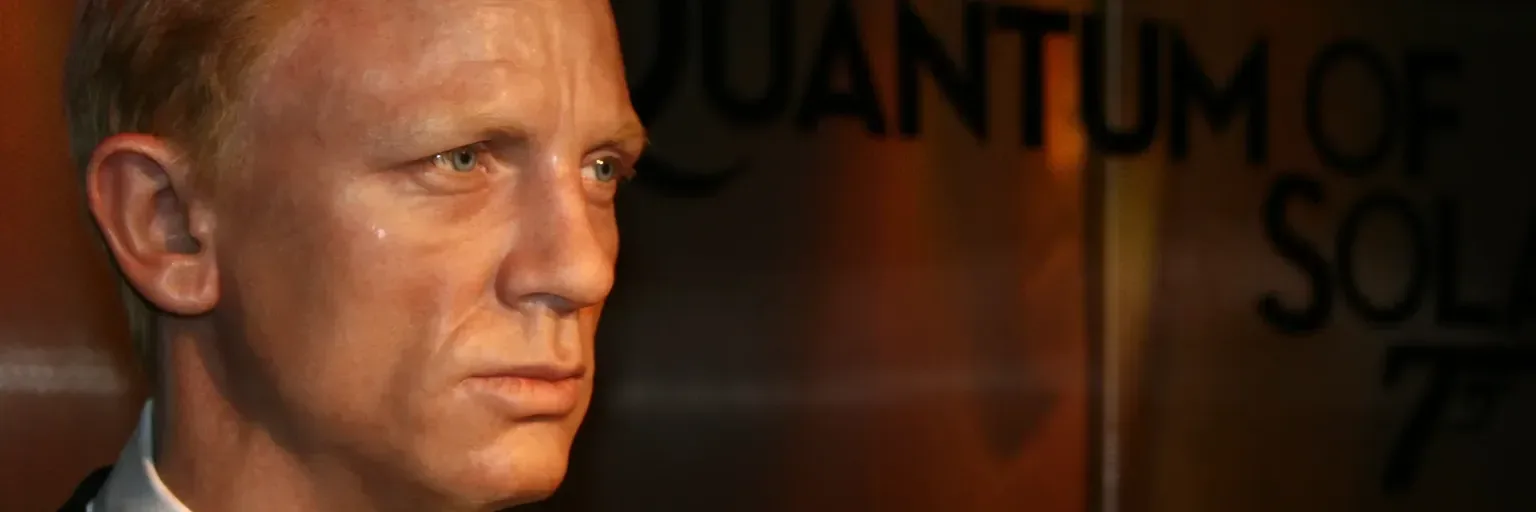
A 400-lot sale turns Bond’s costumes, props and paper history into cultural capital, but the franchise must make its next era feel like motion, not memorial.
CinemaCon footage omitted a release date even as the film remains scheduled for June 2027, turning Sony’s patience-first strategy into a test of trust.
The 2027 Baywatch revival has the red suits and slow motion, but its real challenge is proving the franchise still offers a reason to watch beyond remembering the beach.
Where’s Wanda? season 2 makes the case that Apple TV+ can build loyalty not through global spectacle, but through sharply written local stories with unmistakable identities.
Cannes, Annecy and TIFF give In Waves prestige, but Netflix must turn that festival momentum into a film adults actively seek out.