Why 'Back to the Future' Still Runs Like a DeLorean on Television
Decades after its debut, the enduring appeal of the 'Back to the Future' trilogy on TV proves that truly great science fiction narratives transcend generations, continually sparking wonder and discussion.
AI-generated image
The year is 2026, and a science fiction trilogy from the mid-1980s is once again making waves. Why does Back to the Future, a franchise that premiered over four decades ago, continue to capture the imagination of audiences, new and old, every time it graces our screens? Its persistent popularity isn't mere nostalgia; it's a testament to a narrative so finely tuned it feels as fresh today as it did when Marty McFly first stepped into a time-traveling DeLorean.
Released in 1985, with sequels following in 1989 and 1990, Back to the Future wasn't just a hit; it was the highest-grossing film of 1985 and quickly evolved into a worldwide cultural phenomenon for Universal. Even as its lead stars, Michael J. Fox (now 64) and Christopher Lloyd (86), have aged, the films themselves appear to have defied time, earning critical acclaim and numerous award nominations along the way, including Golden Globes and Academy Awards [11]. This sustained presence and renewed interest, whenever it's broadcast, compel us to look beyond simple entertainment value and consider what makes it truly timeless.
The Art of Timeless Narrative
At its core, Back to the Future thrives on a perfectly executed narrative that balances complex time-travel mechanics with genuinely relatable human drama. We find ourselves drawn into the bizarre yet lovable dynamic between Marty McFly and Doc Brown, a duo that anchors the series with an irresistible charm, as noted by some analyses of its cult status [3]. Michael J. Fox himself attributed the film's enduring popularity to its relatable themes and bold storytelling [14]. The narrative isn't just about temporal paradoxes; it explores identity, family, and the consequences of our choices across different eras. As many cinephiles have observed, the first film, in particular, boasts one of the best third acts of the 1980s, feeling almost too clean and too entertaining in its execution [9]. This meticulous craftsmanship ensures that each viewing, whether it's the first or the fiftieth, reveals new layers of enjoyment, making it a perennial favorite that resonates with viewers of all ages.
Cultural Echoes Beyond the Screen
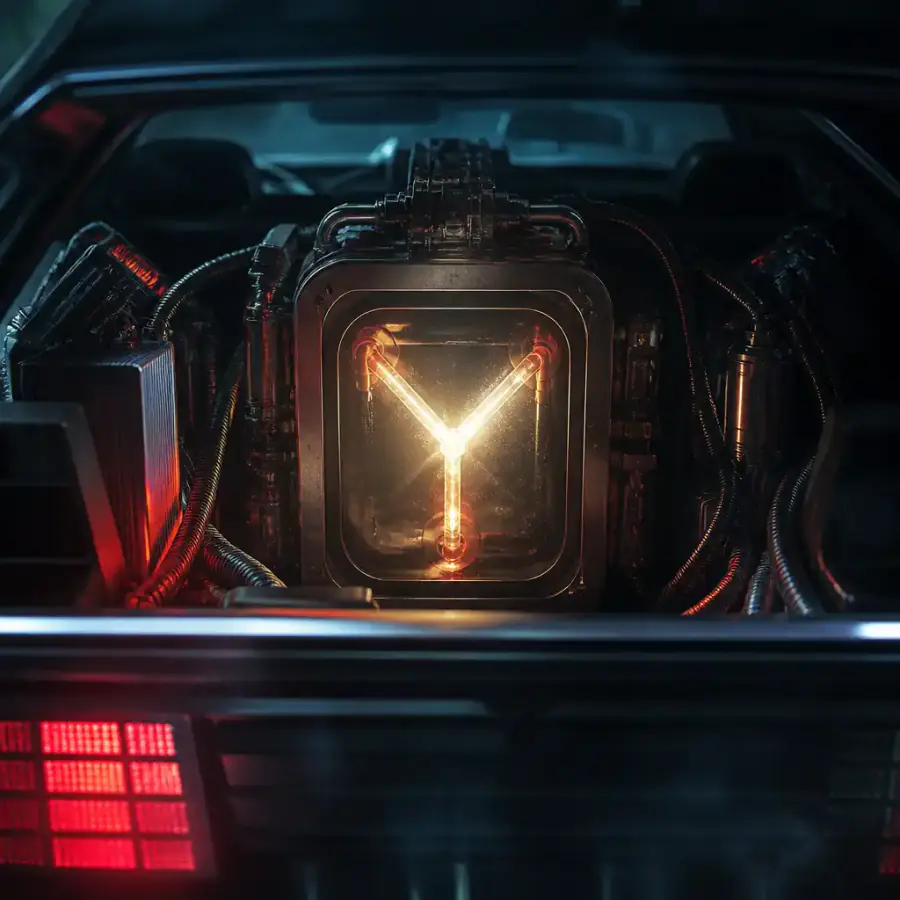
The impact of Back to the Future extends far beyond its original run, permeating popular culture in ways few films ever manage. The franchise's influence has inspired everything from fashion trends to technological aspirations, demonstrating its deep cultural footprint [15]. While Back to the Future Part II famously predicted a future set on October 21, 2015, envisioning flying cars and hoverboards, its true legacy, in our view, is how it sparked a collective imagination, making us contemplate how the past, present, and future intertwine. This ongoing cultural conversation, whether it's about the DeLorean or the practical implications of time travel, keeps the films alive in the public consciousness, solidifying their status as a cultural phenomenon that inspires documentaries, books, and even commercials [13].
A Legacy of Re-Discovery
What makes Back to the Future a perpetual delight is its sheer rewatchability. The films don't rely on shock value or fleeting trends; they are built on solid storytelling, memorable characters, and a blend of comedy and adventure that feels universally appealing. This quality makes it a perfect candidate for repeated television broadcasts, allowing new generations to discover its magic and older fans to revisit a cherished classic. Discussions about the trilogy continue to thrive online, with even Back to the Future Part III being championed by some as an underrated gem [6]. This ongoing dialogue highlights that its allure isn't simply nostalgia; it's a recognition of films that were exceptionally well-made and whose themes remain relevant. We believe this enduring popularity on television underscores a fundamental truth: great storytelling, when combined with genuine heart and innovative concepts, will always find an audience, no matter how many decades pass.
Ultimately, the continued presence and popularity of the Back to the Future trilogy on our screens serve as a powerful reminder that quality filmmaking stands the test of time. It's not just a relic of the '80s; it's a benchmark for science fiction, demonstrating that a well-crafted narrative can forever travel through time, delighting and inspiring new generations along the way.
No topics yet: start the first one.
More stories
Pattinson is the easy part: Amazon still owes us a reason for Bond
Robert Pattinson is a safe, auteur-friendly 007, but a famous face isn't a vision. Amazon now has to explain what James Bond is for in 2026.
Adam Driver's "criminal" is right: Lucasfilm shelved its best bet
Driver's blunt verdict on The Hunt for Ben Solo exposes a studio that said no to Soderbergh and a beloved character, and has yet to show a clear plan for Star Wars films.
Friday the 13th needs more than Jason's mask to justify a 2027 return
Steve Miner is back, Jason returns to theaters after 18 years, and a prequel series is in the works. The new film is welcome only if it offers more than nostalgia.

Disney's Adobe AI pact is smart, but "artist-led" needs proof
Private models trained on Disney's own IP are a safer bet than a frontier-lab romance. But speed and control only earn trust if Disney says where AI touches the art.