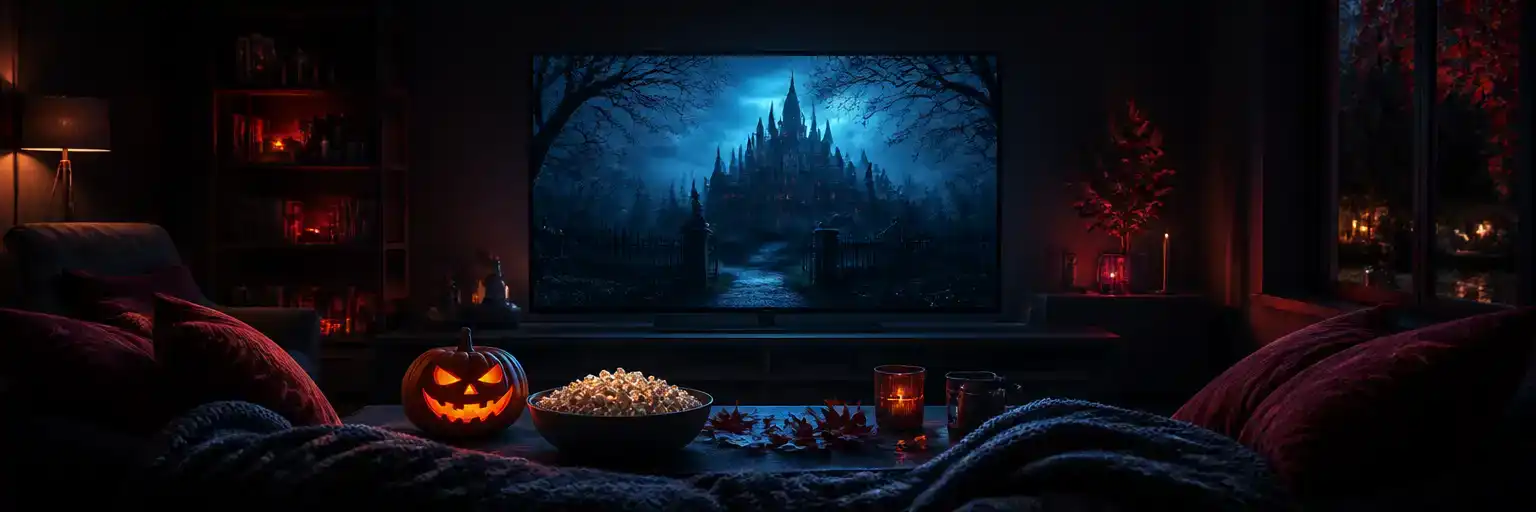
Horror series own the streaming charts, but scares alone won't last
Horror has found its natural home on the small screen, but the boom only survives if series offer ideas beyond demons and jump scares, as the best recent examples show.
Photo: Gabriel Hutchinson / Wikimedia Commons (CC BY-SA 4.0)
Are we so numb that only blood entertains us? It is the lazy answer to a question Tagesschau asks in its headline: why do horror series dominate the streaming charts? Our answer: not exactly. But the genre's new TV golden age is more fragile than the charts suggest.
The platforms love horror for boring reasons
We have no budgets or viewing figures to lean on here, so what follows is our reading, not data. Horror fits the streaming machine almost too well. It travels across borders, it often comes in tidy eight-episode packages, and it hands fans something to dissect, rewatch and argue about.
Look at this Halloween's listings. Salzburg24's roundup gathers 13 horror and mystery titles from the US, the Philippines, South Korea, Canada, Australia, Japan and Germany. Among them are a "Friday the 13th" prequel from A24 and a Mike Flanagan take on Stephen King's debut novel. That is a global genre, not a niche one. A South Korean miniseries about a night shift in a supermarket and a German show about a house in the Black Forest need no shared cultural baggage to work. Fear translates.
There is also the franchise angle. A prequel about Pam Voorhees, grieving a son who drowned in the local lake of Crystal Lake, is a brand extension dressed as prestige television. We think that is the real engine: familiar names lower the risk, and horror supplies the built-in fandom to make them pay off.
The best of the pack barely needs a monster
Here is what we find most telling. Salzburg24 sums up the Flanagan miniseries with the idea that horror needs no supernatural forces; a smartphone is enough. Whatever you think of the execution, that is exactly the right instinct. Take an old story, find the modern fear underneath, and the demons become optional.
The same goes for Apple TV's "Widows Bay". According to Tagesschau, it won 14 Emmys this year and deals with gentrification and overtourism. Salzburg24's roundup describes a show matching that haul as a comedy with an undead founding father and a mayor trying to break his island's curse. That a horror-tinged show can pile up Emmys while talking about housing and tourism suggests, in our view, where the ceiling is when writers have something to say.
The German entry about doppelgängers, dark versions of islanders born of wrong life choices, makes the same point at smaller scale: the monster is a metaphor, and the metaphor is what you remember.
The risk is a flood of the same ghost story
Now the warning. Charts reward what is easy to market, and few things are easier to market than a haunted house, a curse or a killer with a mask. When every platform fills its catalog with the same ingredients, we suspect viewers learn the rhythm in a season. The jump scare is the cheapest trick in the genre: a t3n piece on horror games calls it very effective and very cheap, in film as in games, built entirely around a one-time shock. The psychologists it quotes prefer the slow work of repetition, expectation and uncertainty, as in "P.T." Television should listen.
We also suspect that slow dread and the streaming habit of dropping a whole season at once are an awkward fit. Horror that works over eight episodes needs patience, and bingeing can flatten patience into plot mechanics. Our prediction, and it is only that: the next two years will produce a wave of forgettable supernatural filler, and viewers will start to tune out the label itself.
Our verdict
Horror deserves its place at the top of the charts, because it is one of the few genres that still travels without translation and rewards ambition. But the winners will not be the shows with the most demons. They will be the ones that use fear to talk about something else: screens, property, guilt, who gets to belong.
If you are picking a Halloween watch, skip anything that sells only its monster. Choose the series whose premise could be pitched without one. That is the test we would apply to every platform's slate, and the one the genre will have to pass if this boom is going to outlast the season.
No topics yet: start the first one.
More stories
The Twilight Zone going free on Tubi is TV's library vault moment
All 156 episodes of a CBS landmark now cost nothing on free streaming. It's great for viewers, and maybe a quiet sign that deep catalogs are treated as filler.
Hello Sunshine's 50% layoff proves a famous name isn't a business model
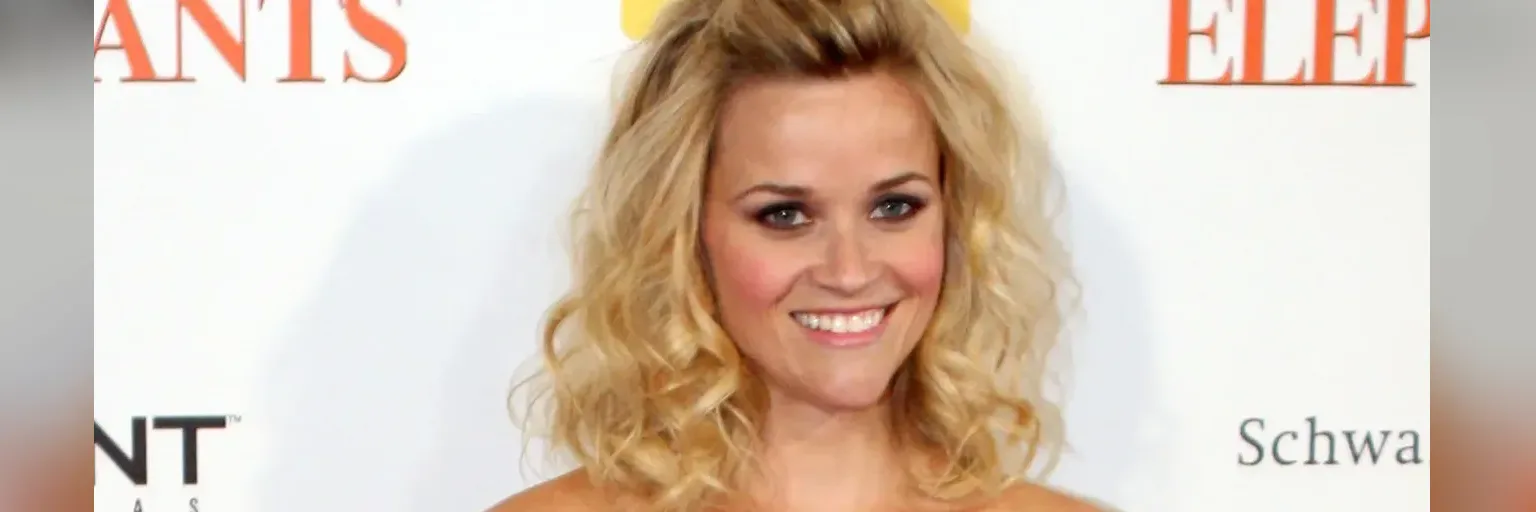
Reese Witherspoon bought her company back and cut about half its staff within weeks. We think it shows that star branding alone no longer pays the bills in production.
Moana's Disney+ comeback proves flops aren't final, but doesn't pay the bill
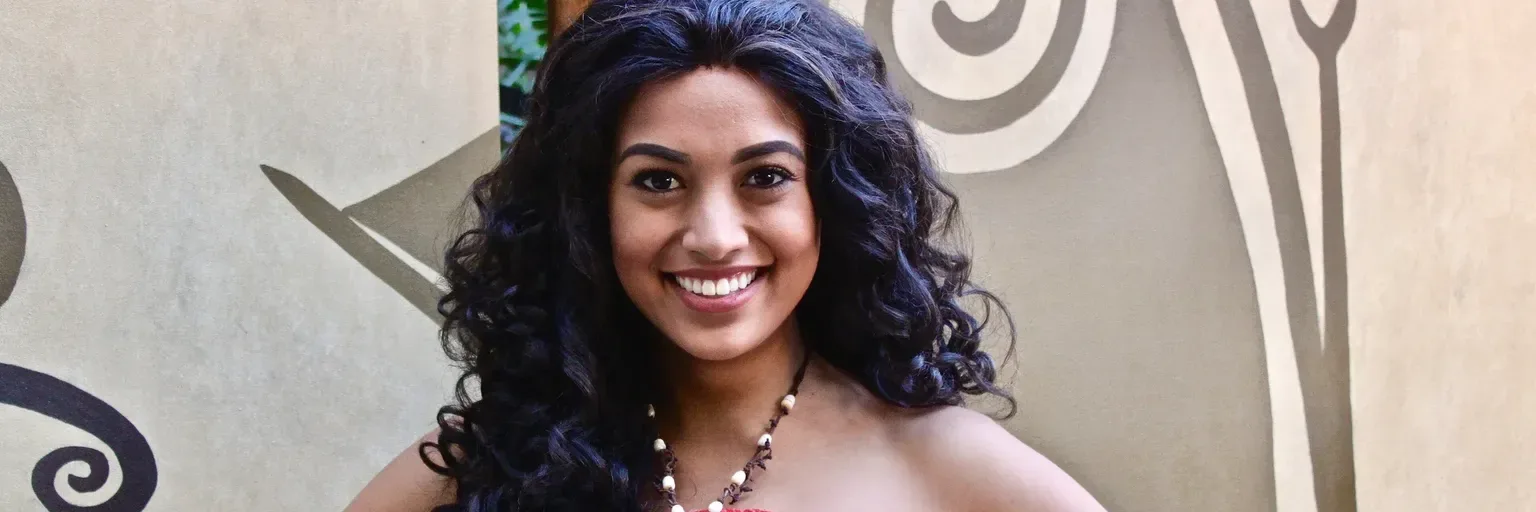
Live-action Moana is No. 1 on Disney+ after a costly theatrical stumble. Theatrical verdicts are no longer the last word, but streaming glory is no refund for a $250 million bet.
Twilight's Netflix Comeback Is the Cheapest Halloween Trick
Twilight climbing Netflix's charts before Halloween suggests licensed nostalgia can rival pricey originals, and says more about our comfort-watching habits than about the films.