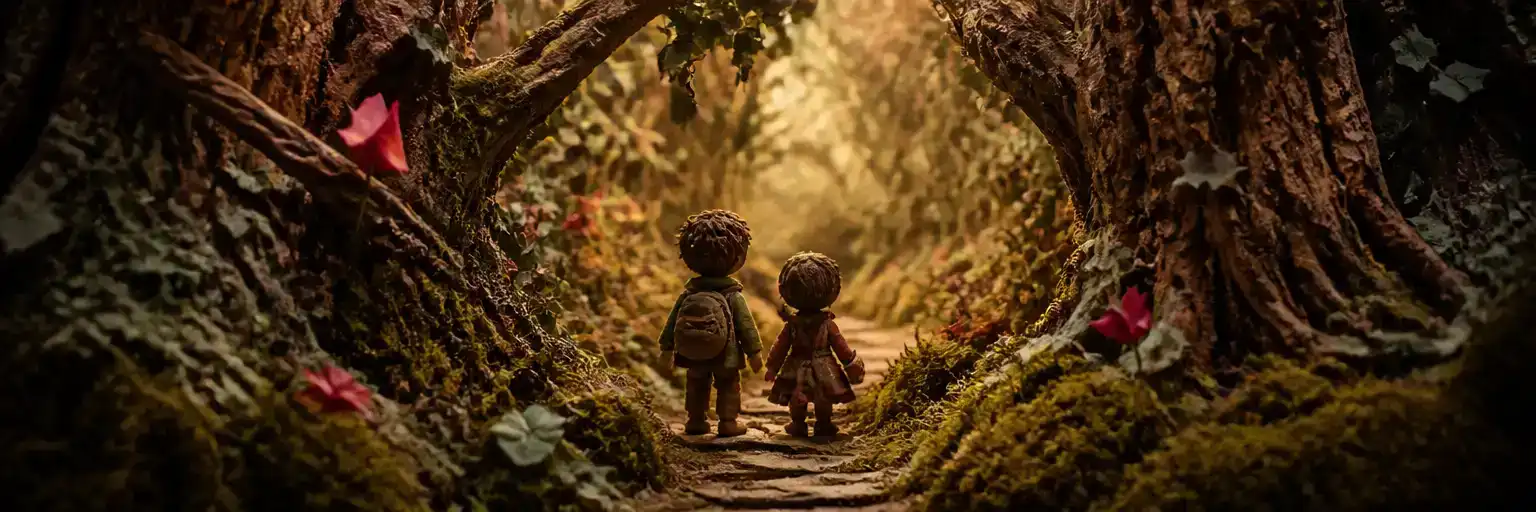
Cregger's Resident Evil bet on dread over the franchise checklist
Fans wanted Umbrella logos and an RPD cameo. The trailer gave them a horror film instead, and betting on an auteur over the formula looks like the right call.
AI-generated image
What if the best thing a Resident Evil movie could do was stop trying to be a Resident Evil movie? That was the uncomfortable question the first trailer for Zach Cregger's version put to fans back in the spring, and with the film now in theaters, we think the answer is clearer than the angry replies suggested.
The trailer fight was really a fight about homework
When the first teaser landed, IGN rounded up the reaction: some viewers liked the creepy shot of limbs emerging from a doorway and the snowy glimpse of what looked like Raccoon City, but many complained there was no Umbrella logo, no Crimson Head, no familiar music. One fan said it looked more like a 28 Days Later spinoff. Another asked what the point of using the IP was.
It's a fair question, and in our view it's the wrong one. The same IGN piece notes that Cregger had said repeatedly that he didn't want to replicate what the games already do, since fans can simply play those. Capcom, per the report, gave him the green light for a personal take. A second trailer arrived in July ahead of his Comic-Con appearance, as Deadline reported, with the film heading to its September 18 release from Columbia Pictures and Constantin Film.
Franchise formula is how this series got its reputation
Look at what "like the games" has meant on screen. This is the eighth live-action Resident Evil film, and it follows a reboot, Welcome to Raccoon City, that Wikipedia describes as a failure. A checklist adaptation is easy to produce and easy to forget: the mansion, the logo, the cameo, the wink. Every item ticks a box for the already converted and does nothing for the person who has never held a controller.
Cregger's approach is different. The film follows a medical courier, played by Austin Abrams, caught in an outbreak, with no legacy heroes to shepherd. IMDb's blurb puts the idea neatly: it skips the lore and legacy characters and instead recreates what it feels like to play these games. It isn't a clean break, mind you. Per Wikipedia's plot summary, Raccoon City and the Umbrella Corporation are part of the story, and IGN reported from the set that Cregger had Easter eggs in mind, such as recognisable weapons, locations and green herbs, none of which were in the trailer. So the choice wasn't to ignore the franchise but to use it as a setting rather than a shopping list.
We'd go further. The games' real signature was never the brand iconography. It was scarcity, dread and the feeling of being underprepared in a building that wants you dead. That's a horror director's territory, not a franchise manager's.
And Cregger earned that trust the hard way, with Barbarian and then Weapons, which, according to one admiring blogger, went on to Oscar nominations and a win for Amy Madigan. That's the kind of résumé that should buy a director room to be weird with a property, and it's rare for a studio to actually grant it.
The numbers suggest audiences didn't need a checklist
Here the evidence is on the side of the heretics. According to Wikipedia's entry, the film cost $75 million, has become the highest-grossing Resident Evil film, and is the highest-rated video game adaptation on Rotten Tomatoes and Metacritic. We'd treat the exact gross with caution, since the page itself shows two slightly different totals, but the direction is not in doubt: a modest budget, a big return, and critics on board.
None of this means the fans were foolish to worry. Cregger himself said he expected lore nerds would "crucify" him if he deviated from franchise lore, and that tension is real. A film that leans on the games' feeling more than their furniture will always disappoint someone who wanted the furniture. We also think the complaint that it "doesn't look like Resident Evil" is a legitimate taste, just not a legitimate yardstick for whether a movie is good.
The risk now is the lesson studios will take. The wrong takeaway is "hire a horror name and the money follows." The right one is narrower: give a filmmaker with a clear point of view a defined budget, protect the tone, and let the brand work as a premise rather than a shopping list. That's a recipe other video game properties could borrow, though we'd expect plenty of executives to copy the hiring and skip the trust.
Our verdict
If you skipped it because the trailer didn't wave enough Umbrella flags, reconsider. Go in expecting a tense, creature-filled horror film rather than a love letter to the lore, and you'll probably have a better time than the trailer comments predicted. If you're a diehard hunting for every game reference, adjust expectations and judge it as a horror movie first.
Either way, we think the bet was right. For a series that spent two decades being treated as content, the best thing that happened to it was a director who treated it as a scare.
No topics yet: start the first one.
More stories
Tina Romero inherits the zombie crown, and that's the good kind of succession
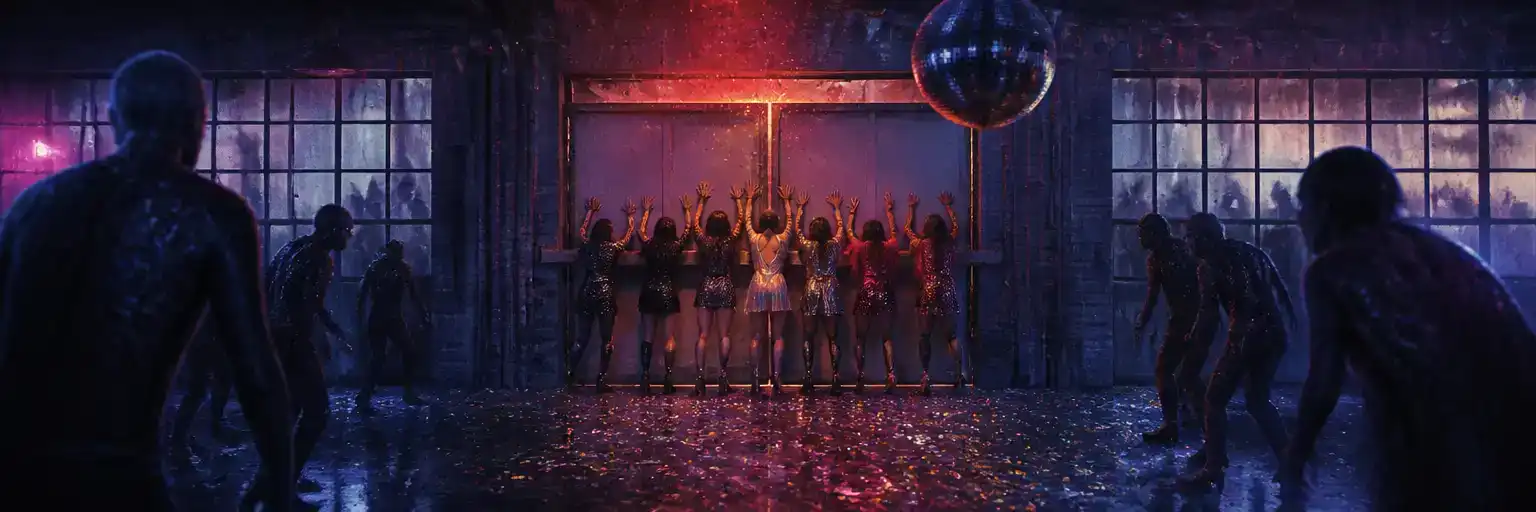
A zombie film from George A. Romero's daughter, with drag queens and glitter, beats any franchise reboot on spirit alone, even if its bite is still a question mark.
Three Captain Americas on screen: great hook, but where's the story?
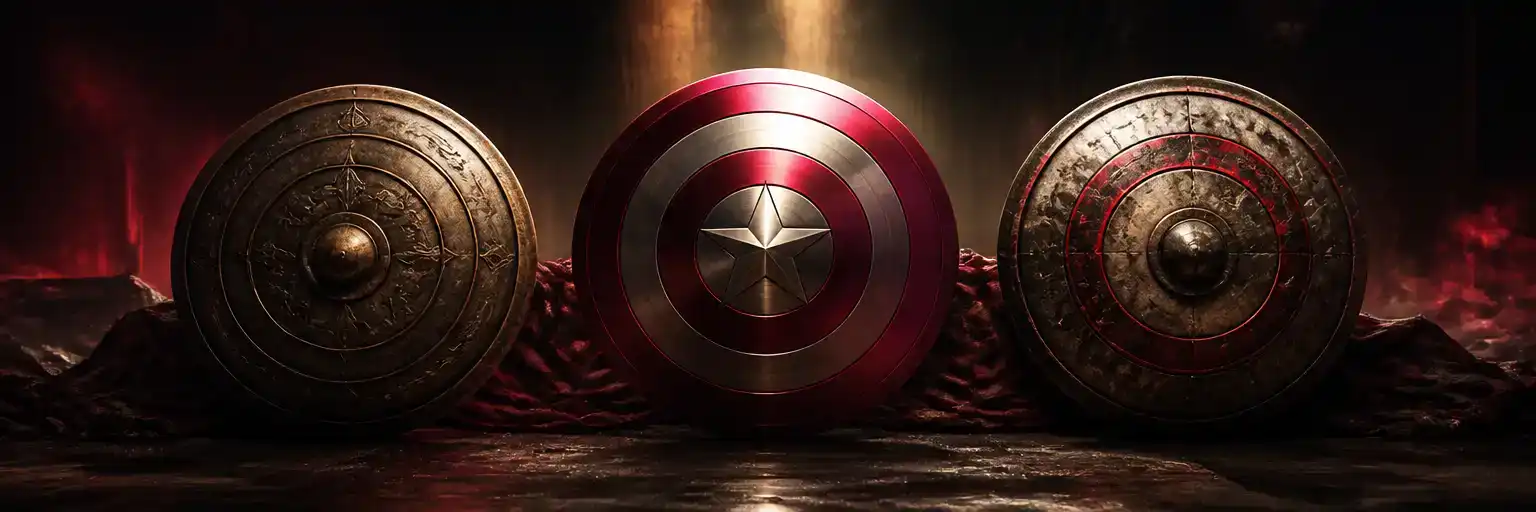
Marvel's new Doomsday footage puts three Captain Americas together, and it works as bait. Now the studio has to prove the film is more than a nostalgia photo op.
Alien keeps it in Ridley Scott's circle, and that's a risky retreat
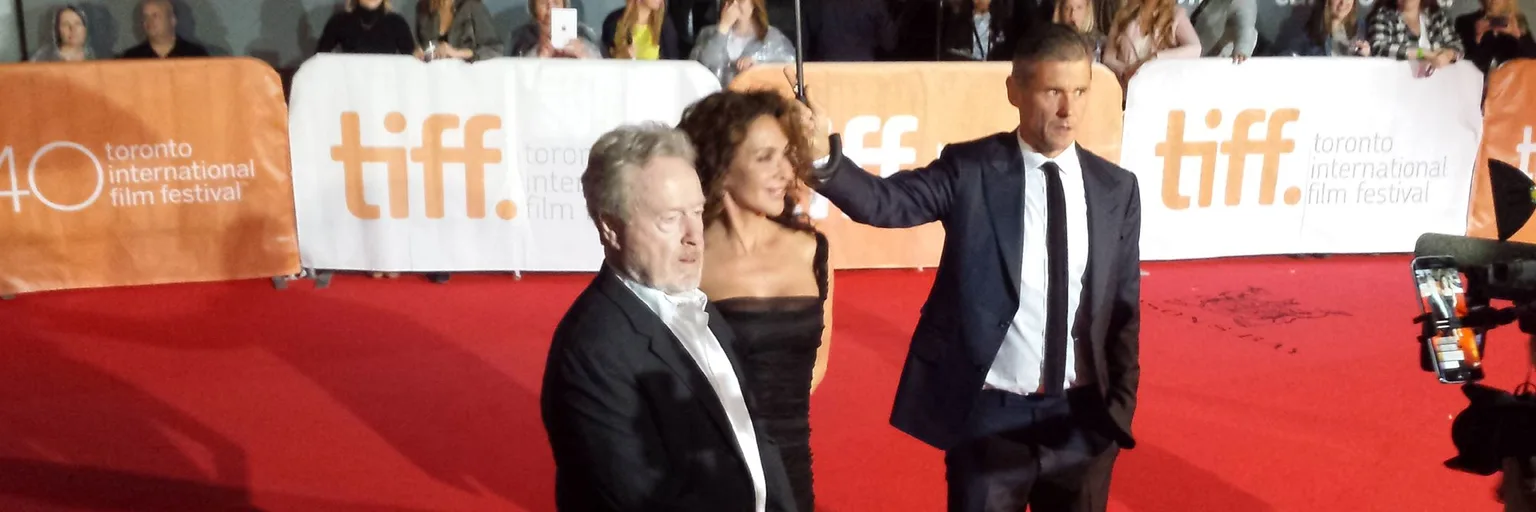
A new Alien film written by Scott collaborator Aaron Guzikowski could be great, but it looks like a retreat to the founder's orbit just when Romulus pointed another way.
Wildwood is a roughly $100M bet that critical love can beat the box office
Laika's stop-motion epic has glowing reviews, a PG-13 rating, a long runtime and a forecast opening of $10 million. It's a gamble on prestige over popularity.